
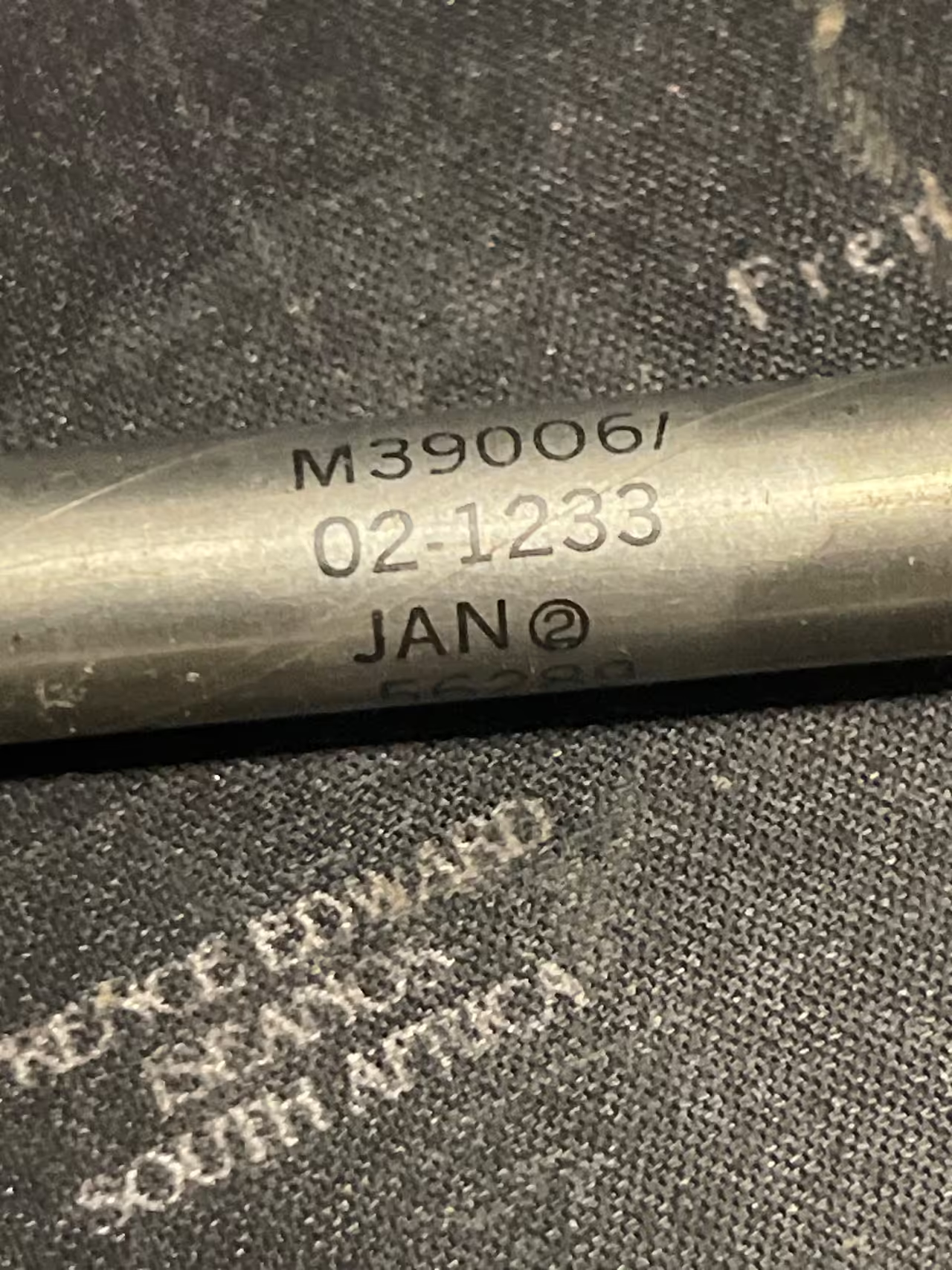
M39006/02-1233Sprague
$18.001 in stockAsk for a quote
Manufacturer
Sprague Electric was founded in 1926 by Robert C. Sprague in Quincy, Massachusetts, and spent most of its life in North Adams, where it took over a sprawling nineteenth century print works on Marshall Street and turned it into one of the largest capacitor plants in the world. At its height it employed a large share of the town. When it finally closed, the buildings became the Massachusetts Museum of Contemporary Art, which is a strange afterlife for a capacitor factory and a fair measure of how big the operation was.
What they were known for. Capacitors, in more varieties than almost anyone else attempted. The Atom aluminium electrolytic, in its printed sleeve, was the standard replacement part in American radio and television service for decades. The Black Beauty moulded paper capacitor was just as common and is now just as notorious, because the moulding takes up moisture and almost every one has gone leaky. Orange Drop, first in polyester and later in polypropylene, became the film capacitor that guitar and audio people still ask for by name. The solid tantalum lines, 150D and 196D among them, set the pattern the rest of the industry followed.
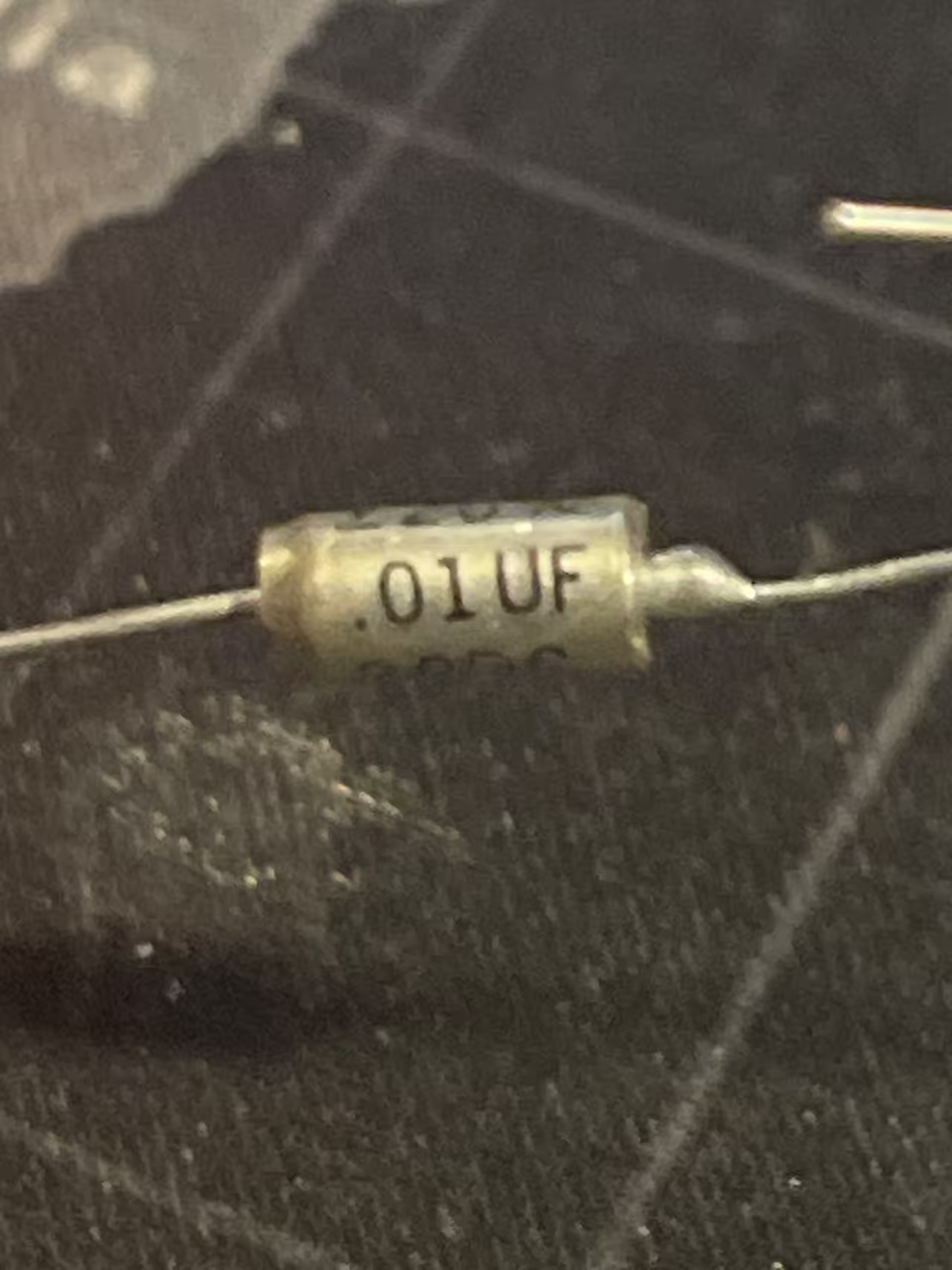
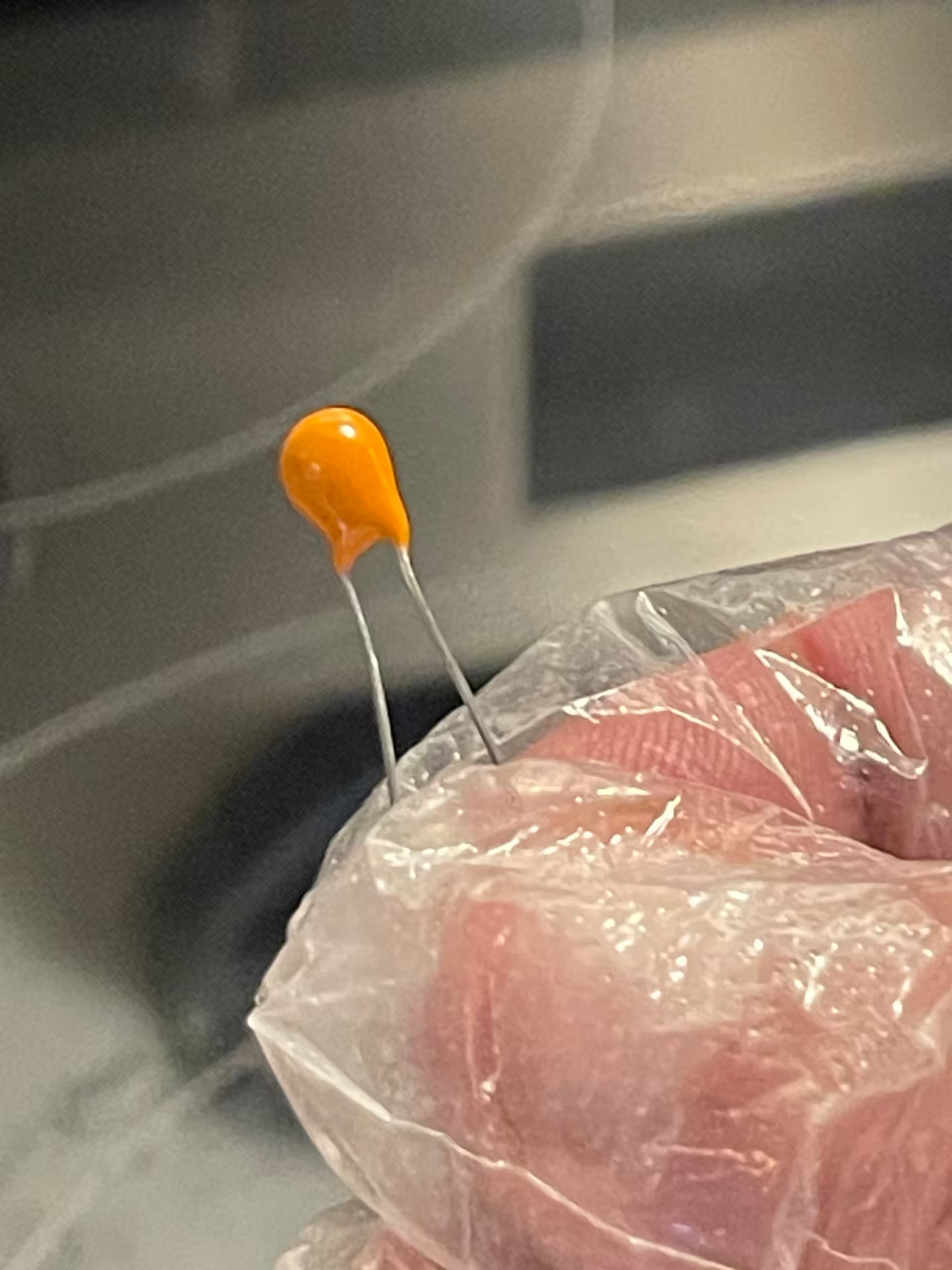
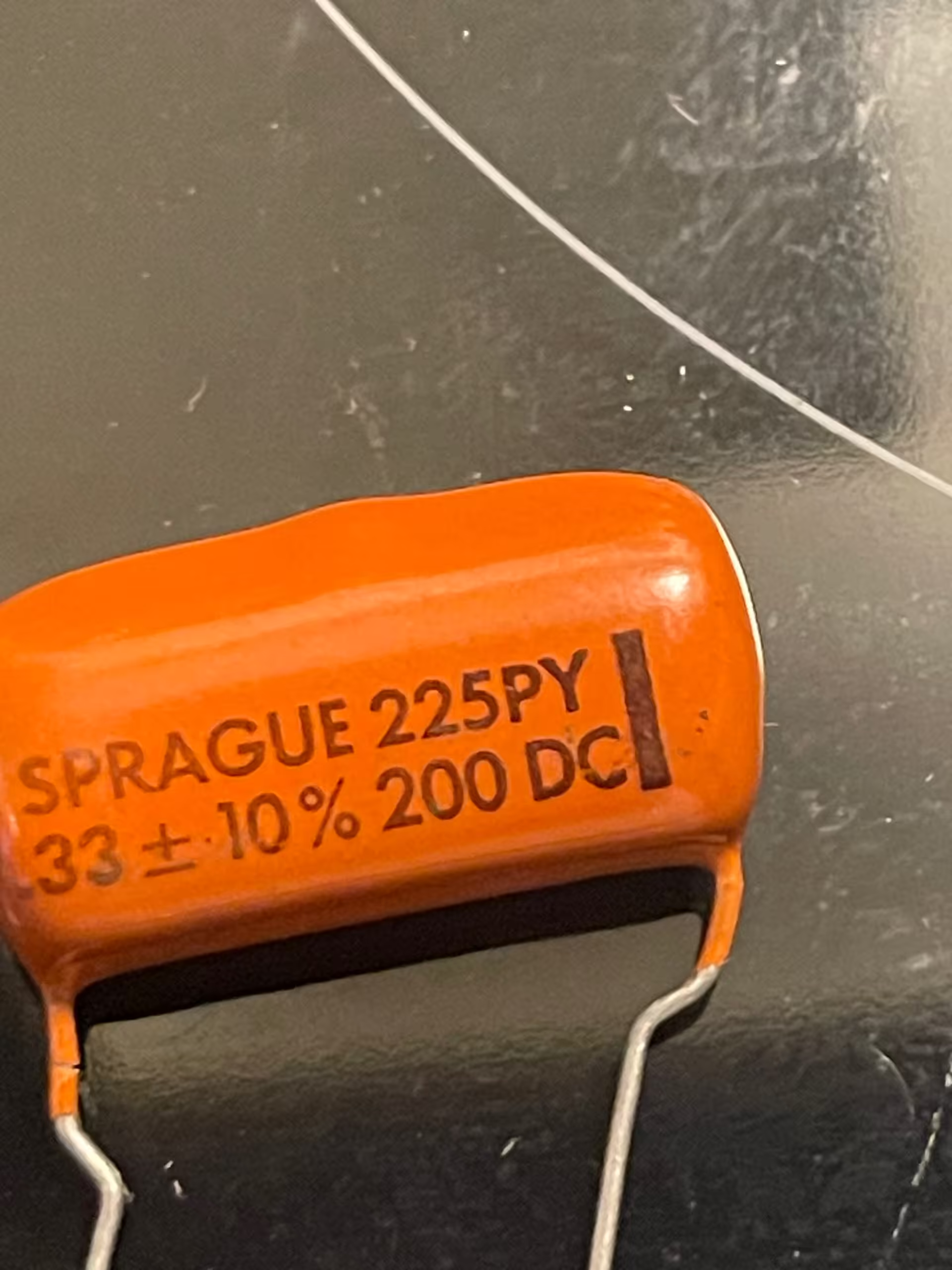
Both of those last two are on this page. The 225P Orange Drop here is polyester film and foil, 0.33uF at 200 volts, and a fifty year old one measures like a new one unless the case is cracked. The 196D beside it is a resin dipped solid tantalum, 33uF at 10 volts, which needs no reforming but wants its voltage derated by half and its polarity right the first time. The two age in opposite ways: one does not age at all, and the other does not warn you before it fails.
What became of the company. Sprague changed hands more than once through the 1970s and 1980s, and the capacitor business was acquired by Vishay Intertechnology in the early 1990s. The name survived the sale rather than being absorbed: parts are made and sold today as Vishay Sprague, and the 196D is one of the numbers that ran straight through, so a capacitor bought here as old stock usually has a datasheet that is still in print. Stock marked either way is filed under this one page, because it is one company, and splitting it by logo gave a buyer two Spragues with half a catalog each.
For film and tantalum they were excellent parts, they still measure well, and the reason to buy one is usually that the part number, the case size or the lead form matters to a restoration. For aluminium electrolytics the honest answer is that a modern low ESR part is technically better, and people buy the old ones for originality. We are not going to tell you a 1970s can outperforms current production.
The same lineage under later ownership. Sprague Electric was an independent Massachusetts company from 1926 through the 1970s, changed hands more than once, and the capacitor business ended up with Vishay Intertechnology in the early 1990s. Vishay kept the name on the product line, and several original part numbers survived the transfer intact. Parts marked either way are listed on this page.
In service, yes. The moulded case takes up moisture and nearly all of them have gone leaky, which in a valve circuit puts DC on a grid and destroys the tube it feeds. They still sell for restorations where the visible part has to look right, and the usual approach there is to gut the case and rebuild it around a modern film part. We describe them accurately and we do not claim any of them are good.
The dielectric. The 225P series is polyester film and foil, and 715P and 716P are polypropylene. Polypropylene has lower dielectric absorption and lower loss, which matters in a filter or a timing circuit and is argued about endlessly in audio. Both are physically similar and both age well. The series number is printed on the body, so you do not have to guess.
The marked one. Resin dipped tantalums carry a polarity mark next to the POSITIVE lead, which catches out anyone used to aluminium cans where the stripe marks the negative end. Read the body rather than the lead length, and check before you power up: a reversed solid tantalum shorts immediately and often takes a track with it.
The name and the line outlived Sprague. Production passed on with the tooling and film capacitors are still sold under the name today by another manufacturer. The ones in this catalog are old stock from the Sprague era and marked Sprague, and the listing says so. If you want current production, buy it new and you will get a good capacitor with a recent date on it.