
VSQ0051-1Unbranded
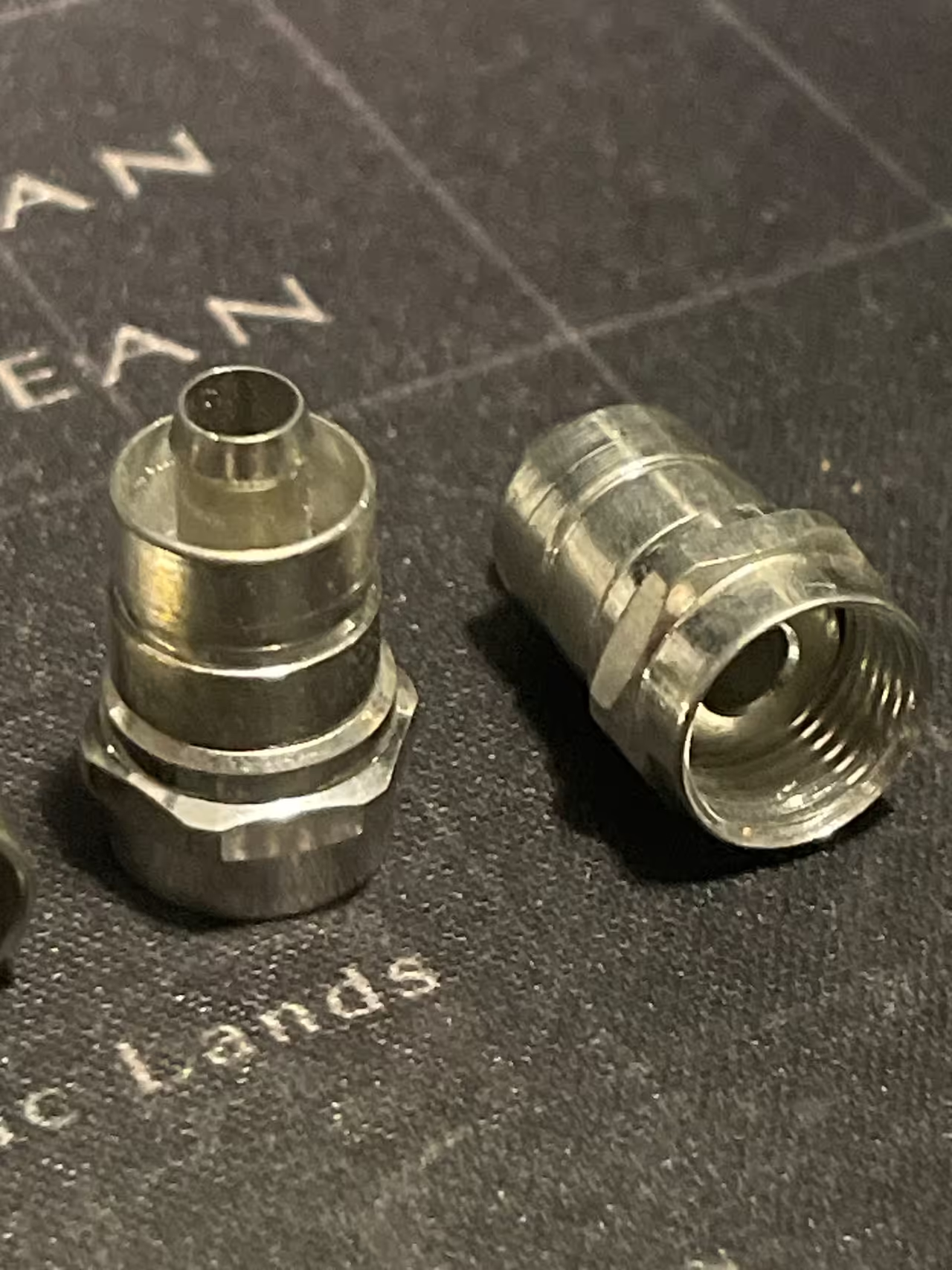
$4.0056 in stockAsk for a quote
Drawer
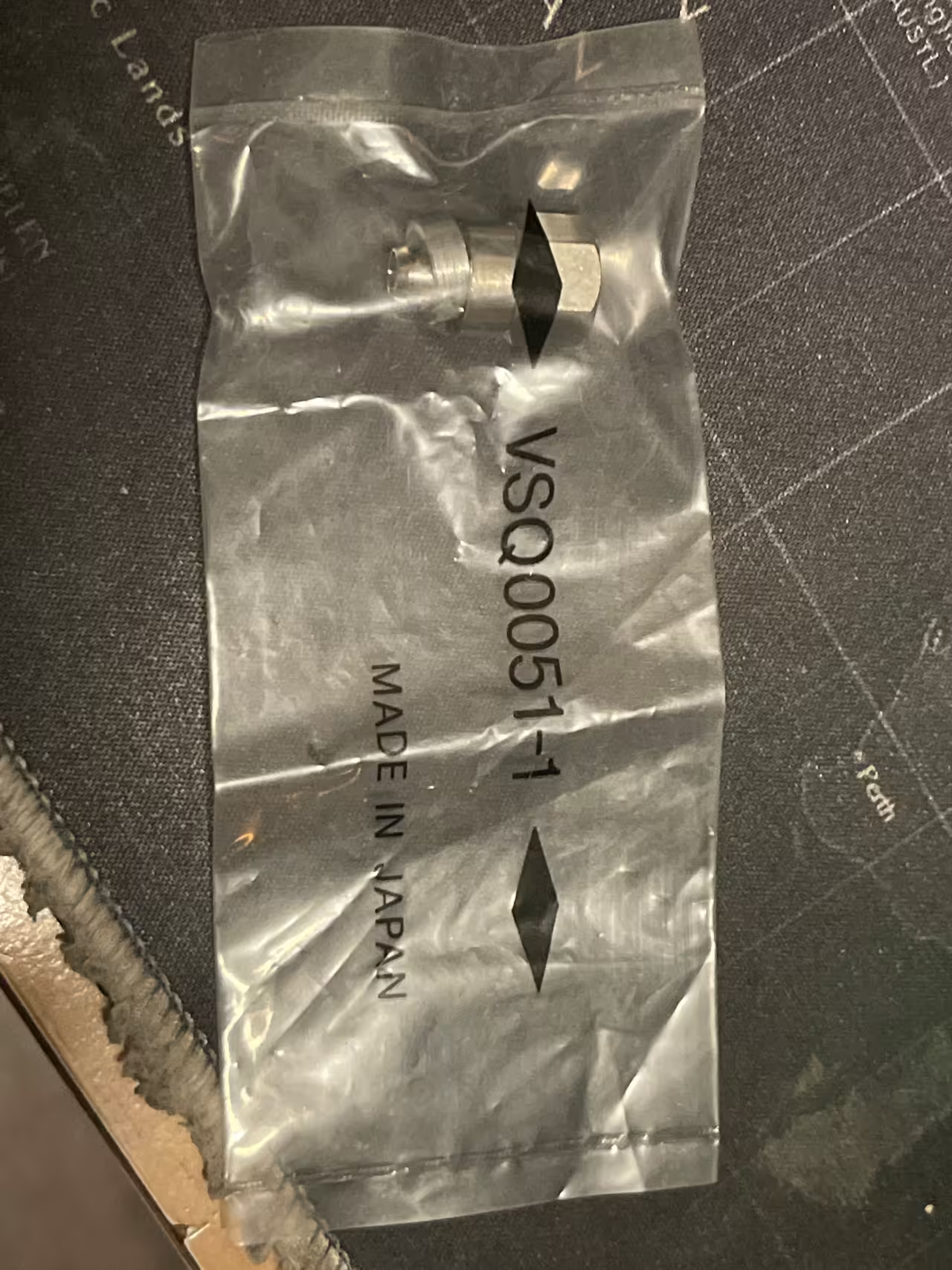
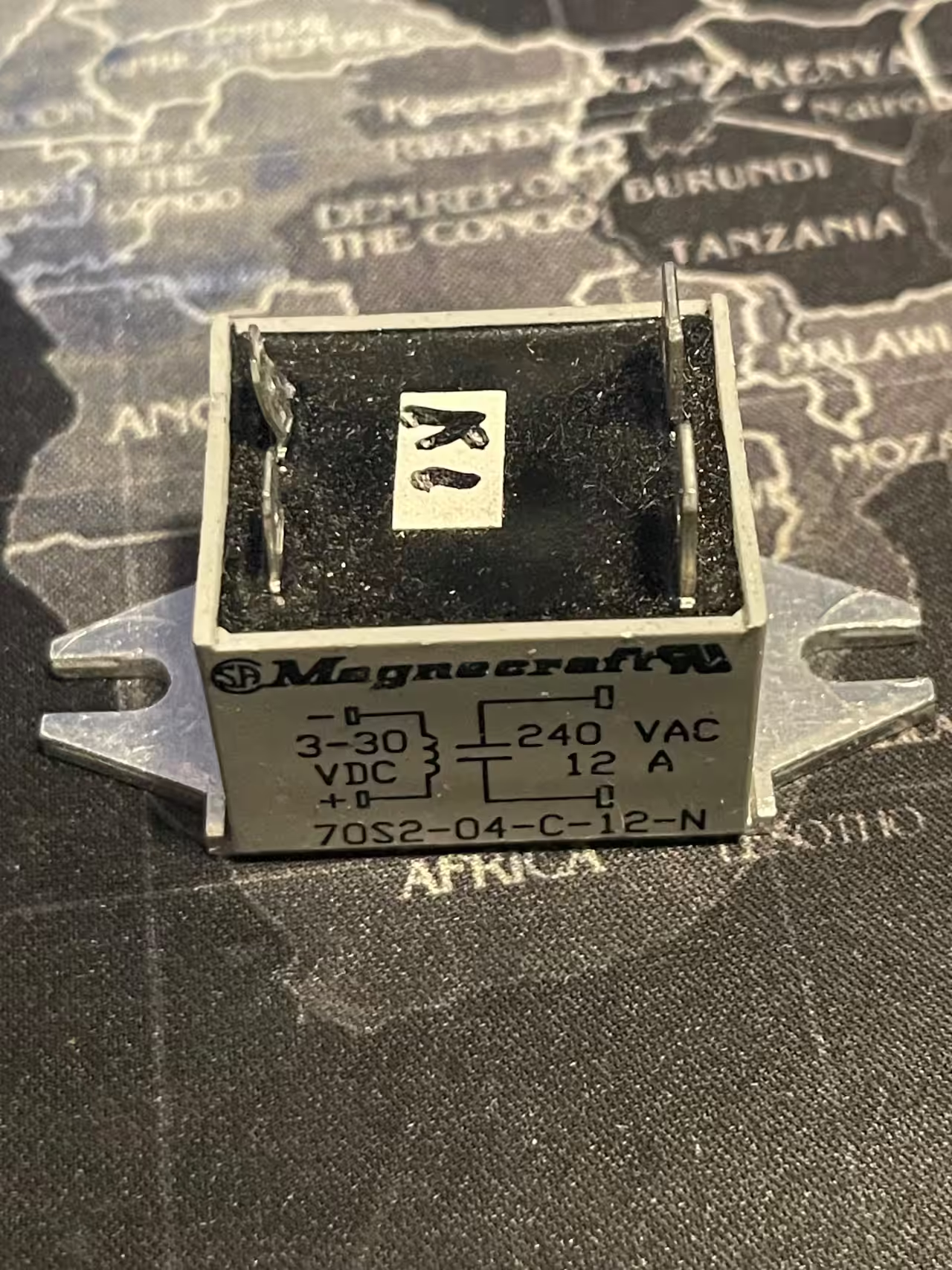
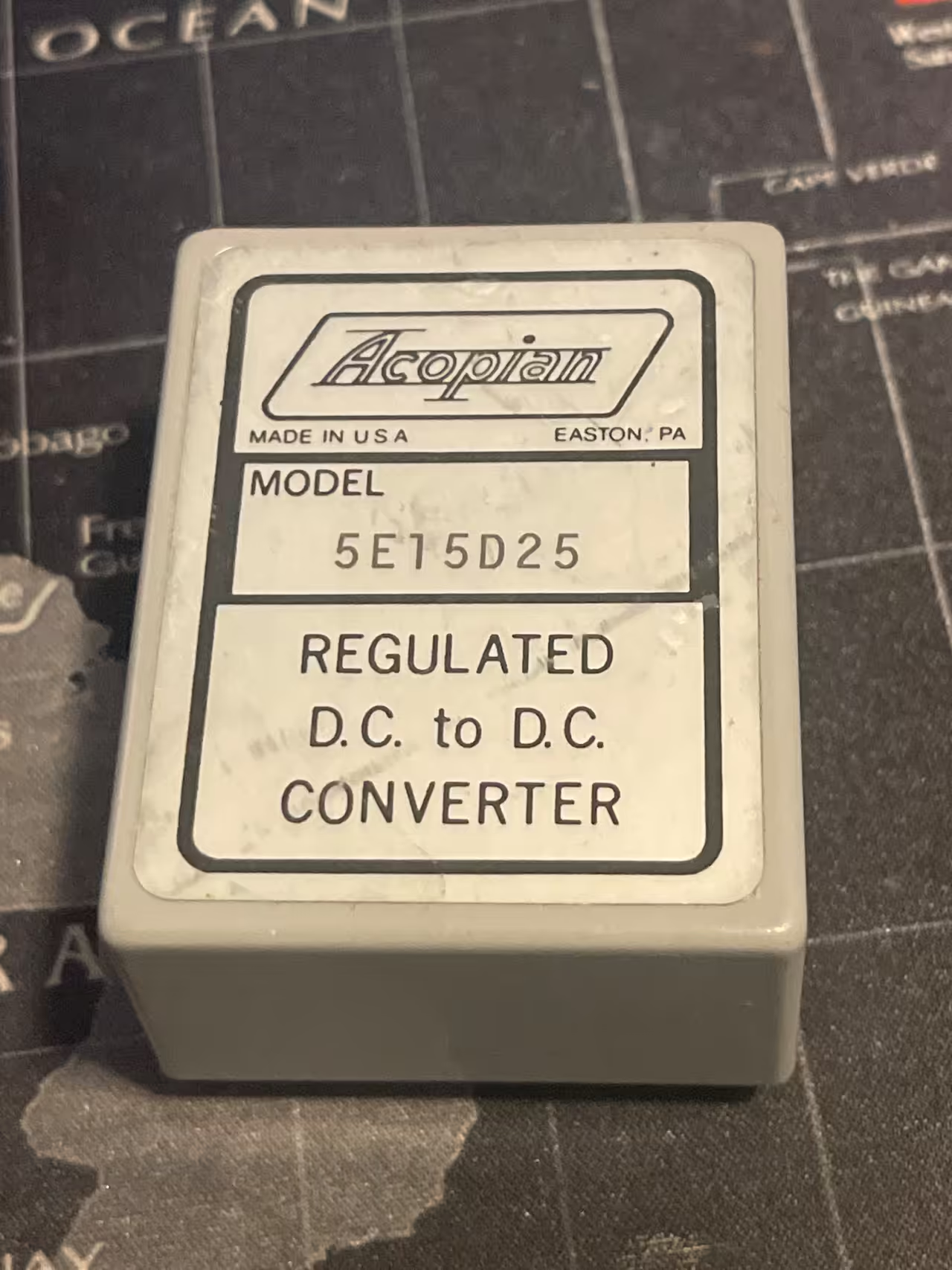
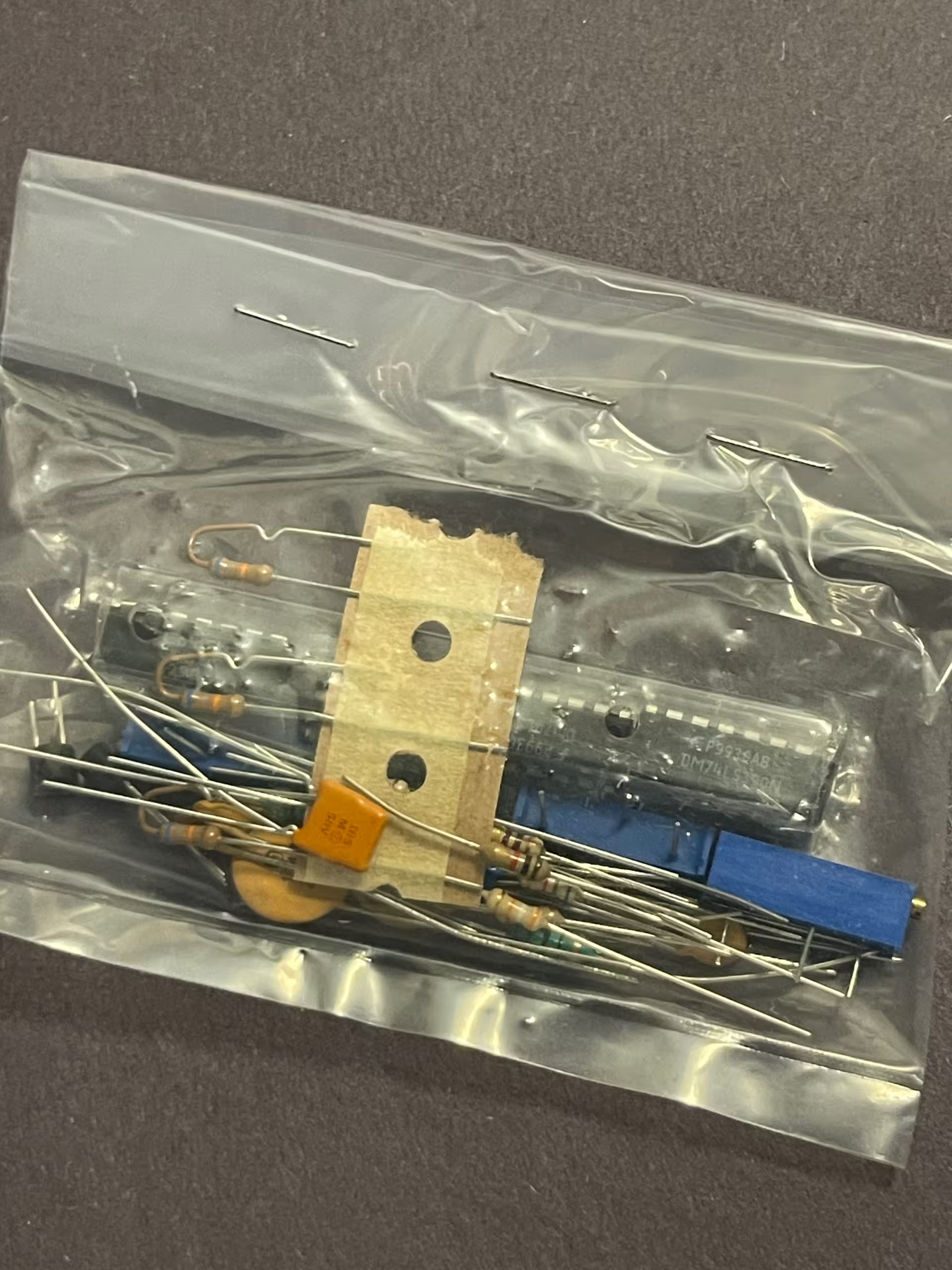
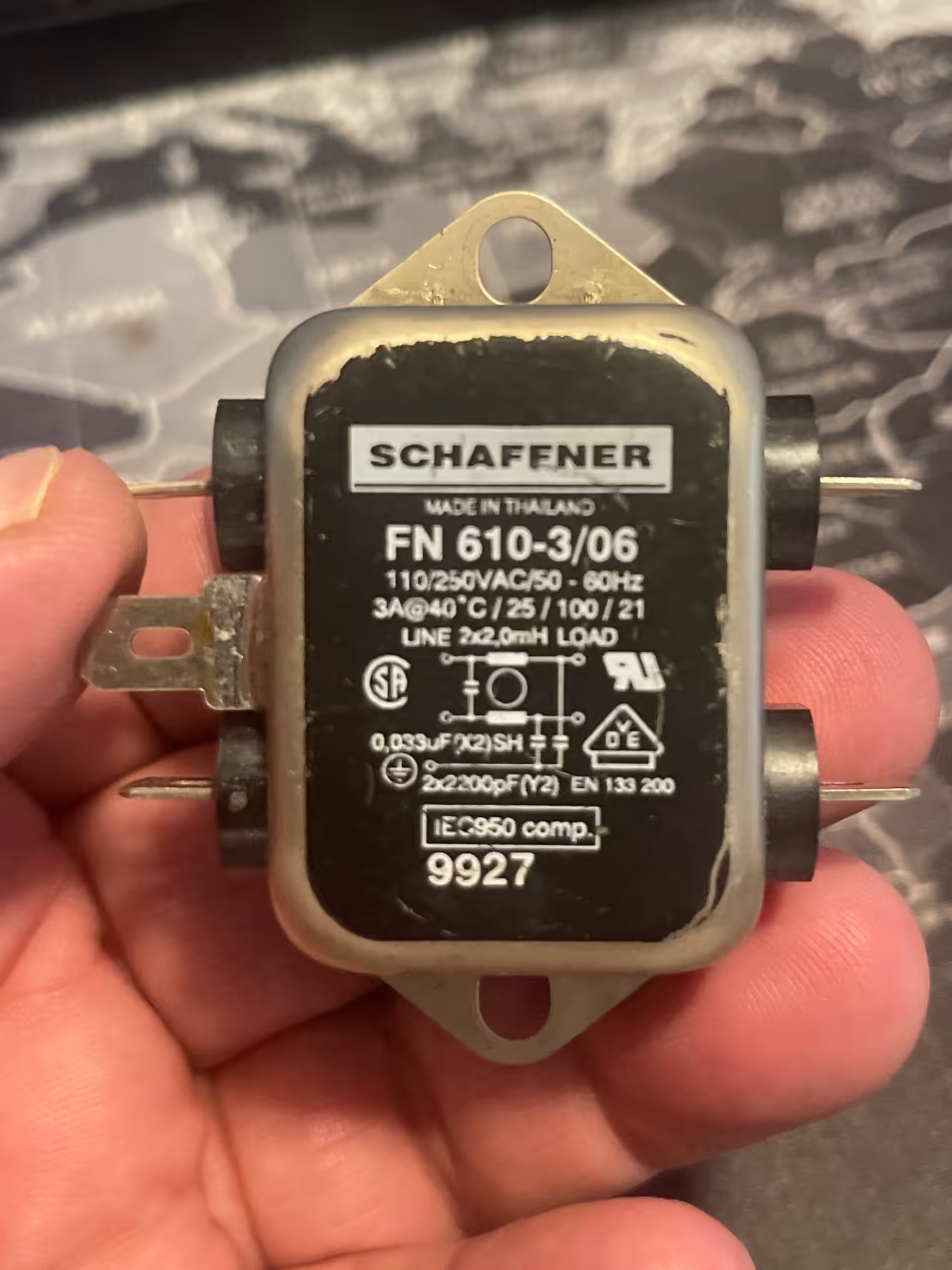
This drawer holds assemblies rather than components: bare boards, populated subassemblies, instrument modules and unbuilt kits. A resistor is either the right value or it is not, but a board is a question of completeness, and an unbuilt kit is worth what it is worth because of a bag of small parts and a folded sheet that are easy to lose.
What we check before an assembly is listed. Every bag is opened unless it is factory sealed, and the contents are counted against the parts list where one exists. If a kit is short we say what is missing rather than describing it as complete and letting you find out. The Science Workshop SW-6007 centre frequency readout here is a complete unbuilt kit with instructions because the bag is sealed, the board is in it and the sheet is in it. Had any of the three been absent, the title would say so.
How boards age. Fibreglass and copper are stable. The finish is not. A tin finish grows oxide and a bare copper board under an organic coating goes dull and then brown, and both solder well after a light abrasive clean and fresh flux. Immersion gold does not tarnish. Crazed solder resist is cosmetic. The two real problems are corrosion under a component where flux residue drew moisture, and delamination from damp storage, and both show up if you look at the board edge on under a light.
Populated assemblies carry the aging of everything on them: electrolytics that need reforming, a battery backed memory that may have leaked, socketed chips whose contacts have oxidised. We list the visible condition and any corrosion, and we do not power up a module we cannot safely load, so an assembly is normally graded untested.
Condition here. Sealed means the factory bag has never been opened, which for a kit means we are describing the printed parts list rather than a count we took. Open stock means it was opened and counted by hand. Pulled means it came out of equipment, and a pulled board always names what was cut, because a board removed cleanly and a board removed with a cable still attached are not the same purchase.
On arrival, count the parts before you start, and read the instruction sheet through once, because a kit from a small maker often assumes a revision mentioned only in a note halfway down. Check the board edges for delamination and the pads for a dull surface that needs cleaning. On a populated assembly, look for battery residue near any memory or clock circuit, then reform the electrolytics before you power the whole thing.
If the listing says complete and the bag was opened, we counted it against the parts list and it is complete. If the bag is factory sealed we say so, and then we are describing what the maker put on the label rather than a count we took ourselves. Either way the listing tells you which of those two things it is, and a kit missing anything is described as incomplete with the shortfall named.
Almost always, after a clean. Tin finishes and bare copper oxidise in storage, which stops solder wetting, and a fibreglass abrasive pen or a light scrub followed by fresh active flux gets it back. Gold finishes need nothing. What you cannot fix is delamination or corrosion that has crept under a pad, so inspect the edges and the plated holes before you commit an afternoon to it.
Rarely, and never speculatively. Most instrument subassemblies need a supply, a load and a backplane we do not have, and applying power to an old board with unreformed electrolytics is a good way to destroy the thing we are trying to sell. Populated assemblies are normally graded untested and priced as untested. If a module can be safely powered we say what we saw.
Tell us what is short. If we described it as complete and it is not, that is our error and we will make it right. If the listing named the shortfall before you bought it, we can usually still supply the missing value out of the passive drawers, and often for the price of the postage.
The listing says which. Original printed instructions are part of what a collector is buying and we never describe a reproduction as an original. Where a kit arrived without its sheet we say the instructions are absent rather than quietly leaving the subject alone.
Send the revision or assembly number you are matching and we will read what is silkscreened on the board and photograph it. Revision letters on small maker boards are often the only difference between two parts that look identical, and it is a question we would much rather answer before the parcel leaves.