
3M9NGGBQUnbranded
$2.0037 in stockAsk for a quote
Drawer
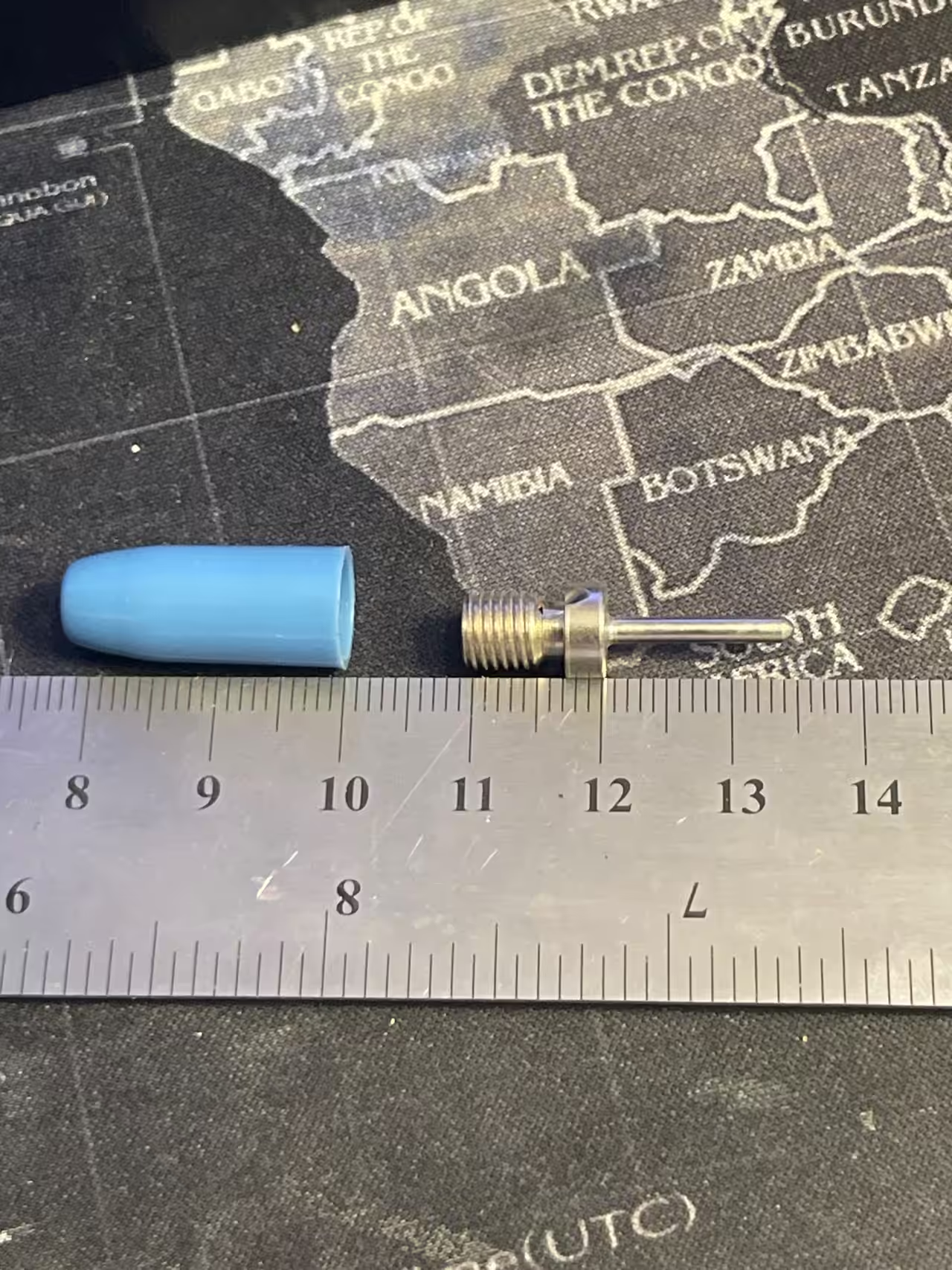
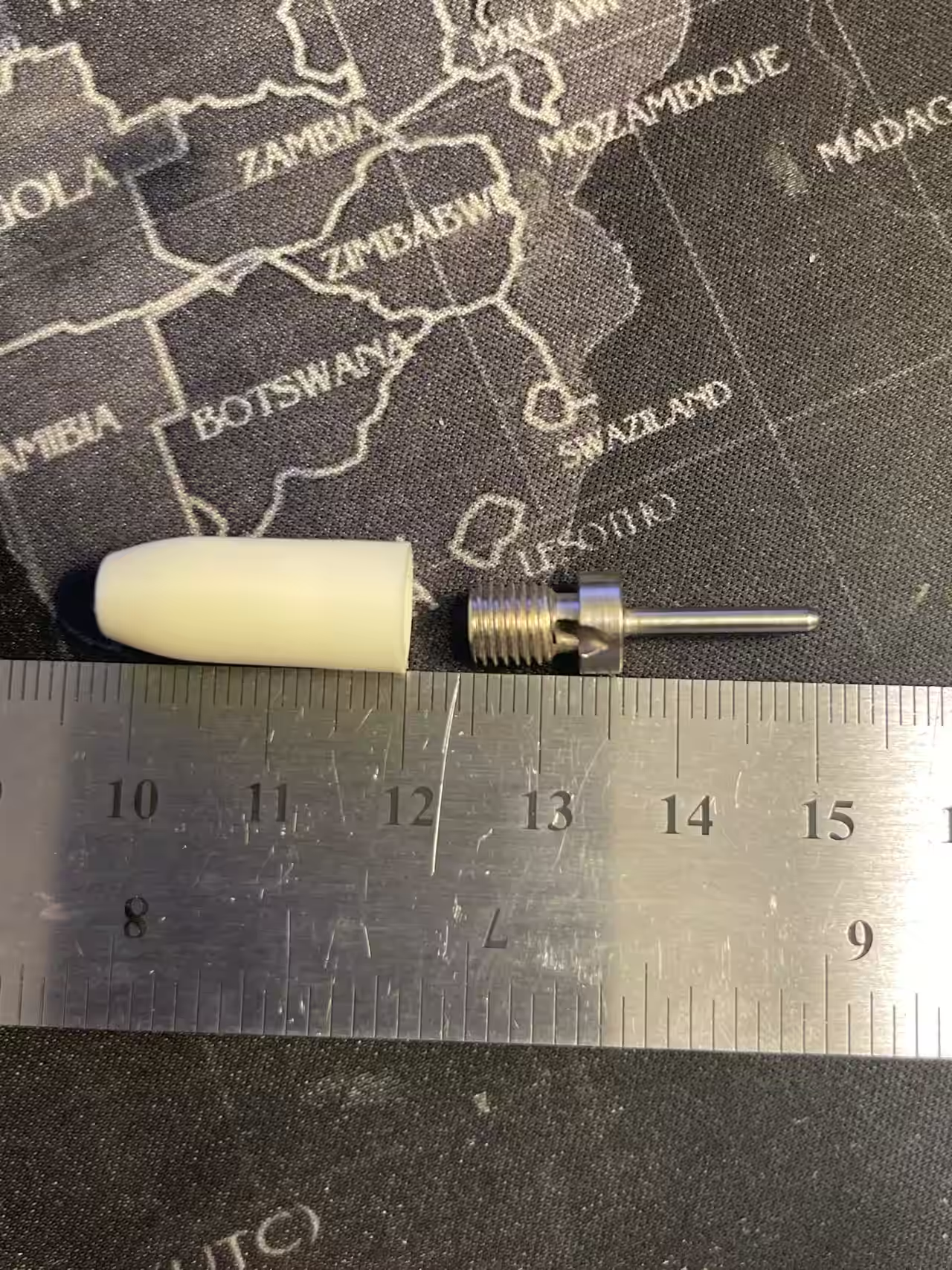
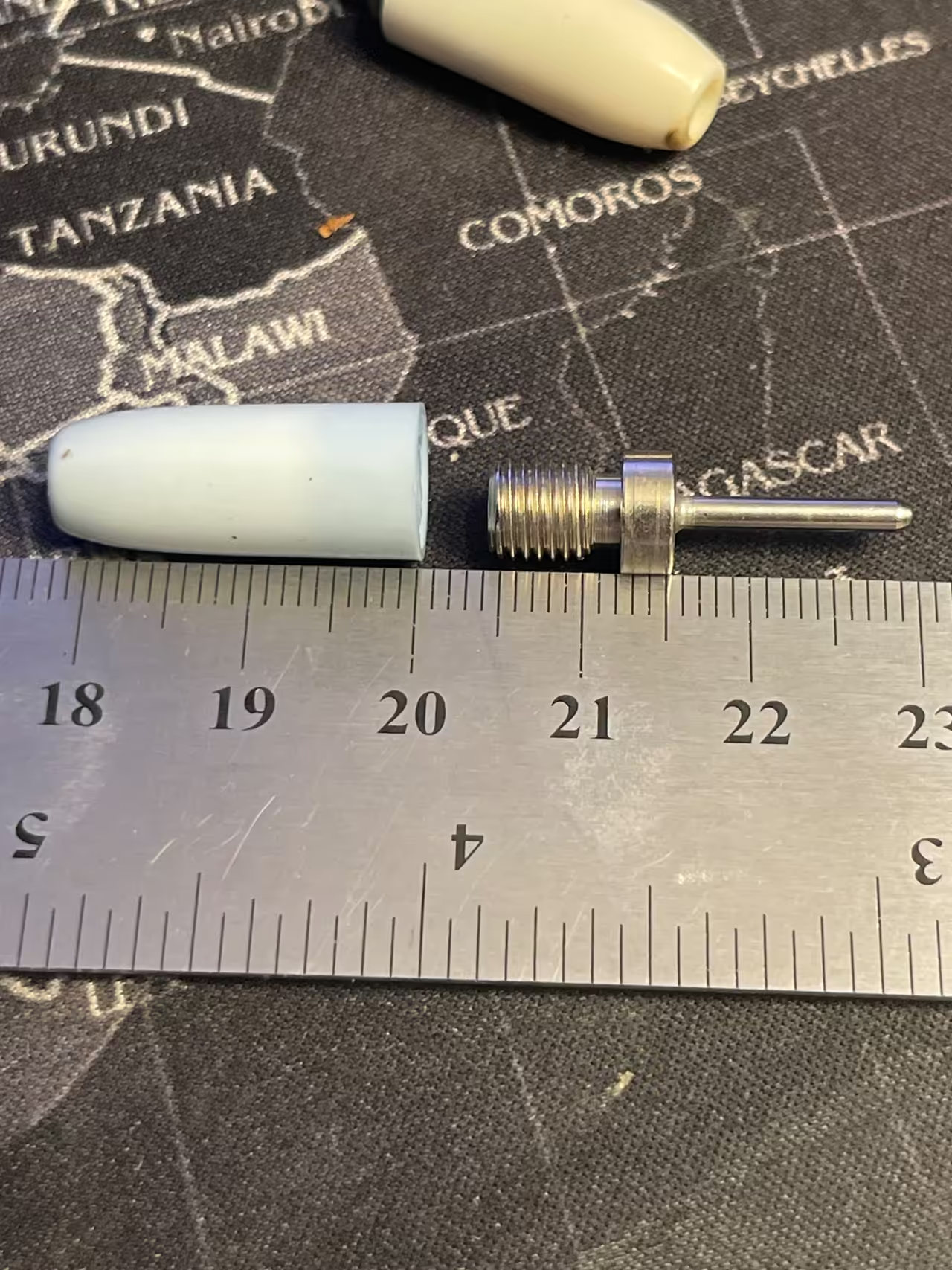
This drawer holds the small metal parts that join one piece of equipment to another: tip plugs, banana plugs, binding posts, test jacks, lugs and the insulating covers that go with them. Nearly all of it is new old stock, which for a connector carries more weight than it does for most components. A resistor that has sat in a drawer for forty years is electrically the same resistor it always was. A connector that has been used carries the shape of the wire it held and the wear of every jack it was pushed into. The parts here were boxed before any of that happened.
What a standard tip plug is. A slim solid pin, usually a couple of millimetres across, made to push into a matching tip jack. It is the pattern that older bench meters, patch panels, laboratory supplies and a great deal of communications and military test gear were built around, and it predates the banana plug in most of those places. It is also physically smaller, so the two do not interchange in either direction: a tip plug will not stay in a banana jack, and a banana plug will not enter a tip jack at all. If you are matching existing equipment, measure the hole before you order.
Solderless means clamped, not soldered. The stripped conductor goes into the hollow end of the body, and screwing the insulating cover down squeezes it against the inside of the barrel. A wire stripper is the only tool involved, and it comes apart again, which is why these turn up in test leads repaired three or four times over a working life. A clamp is only as good as the strip length, so leave enough copper to fill the barrel and no more.
Colour is a working feature. The same plug is stocked in half a dozen colours that are otherwise identical, because a technician needs to tell a live lead from its return without stopping to read anything. Red and black are the common pair, and the rest mark channels on multi lead setups. Treat colour as something to match to your own bench rather than as an electrical specification, since nothing else about the part changes with it.
What we can and cannot tell you. Where a part carries a marking, it is quoted in the specifications and used in the title. Plenty of connectors carry nothing at all, because the metal is too small to stamp and the plastic was moulded plain. Where that is the case the listing says so and describes the pattern instead. Counts are taken by hand, so the number on the listing is the number in the bin.
A matching tip jack, which is the small round socket found on older bench multimeters, patch panels, laboratory power supplies and a lot of communications and military test equipment. It is not a banana connector and does not interchange with one in either direction. If you are matching something you already own, measure the socket before ordering, because the two patterns look similar in a photograph and are not similar in the hand.
It means the wire is held mechanically rather than by solder. The stripped conductor goes into the hollow end of the plug body and the insulating cover screws down to clamp it. You need a wire stripper and your fingers. Nothing gets hot, and you can undo it later and move the plug to a different lead, which is the main reason these were popular for test leads that get repaired repeatedly.
No. The plug underneath is the same part in every colour. Colour exists so somebody working at a bench can tell one lead from another at a glance, with red and black the usual pair for a live lead and its return. Choose whatever fits how your equipment is already wired, and do not read a rating into it.
Usually it is the opposite of a risk. What wears a connector out is being used: a pin that has been in and out of a jack a thousand times stops gripping, and a clamp that has held one wire keeps its impression. A part that was boxed and shelved has none of that history. The one thing worth looking at is the plating, and any tarnish, discolouration or storage marking is described in the listing and visible in the photographs.
Each listing gives the largest conductor the part is rated for in its specification table, which for most small tip plugs is 16 AWG. Anything thinner works fine. Anything thicker will not go in, and forcing it spreads the clamp permanently and ruins the plug, so check the figure before you strip a wire.
Because some of these parts are marked and some are not. Where a part number is on the item or documented in the paperwork it came with, it is quoted and used in the title. Where the metal is unmarked and the plastic is plain, the listing describes the pattern and the measurements instead of guessing at a maker. A guess in a title is worse than an honest gap, because somebody orders against it.