
General Electric
General Electric GE 217 Transistor, Three Lead Metal Can, NOS
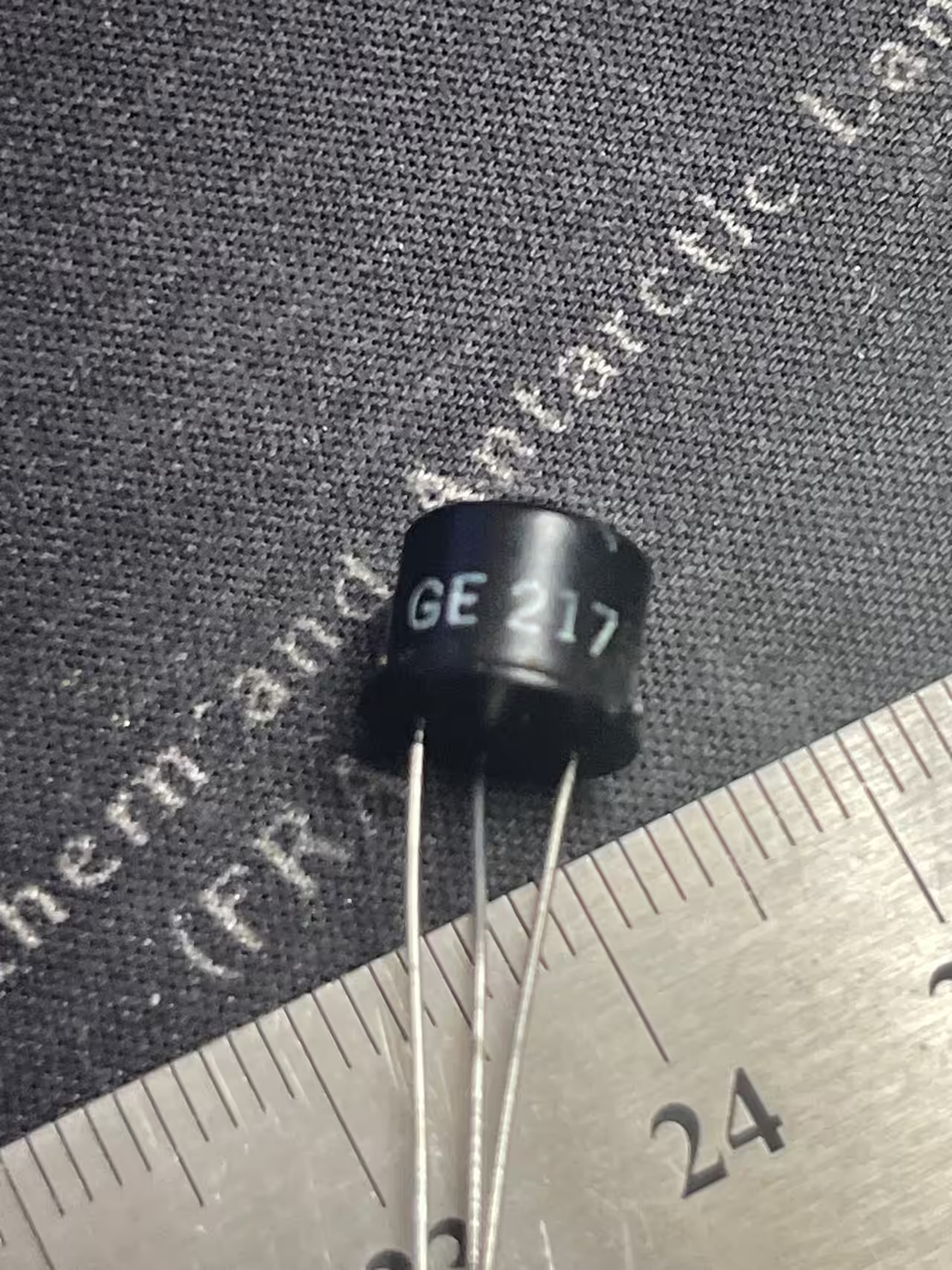
- 3 photos
Never used. The original pack has been opened, or the quantity was split off a full reel or tube. Leads are original and unclipped.
New old stock, open stock on the grading scaleSend the quantity you need. You get a quote back with shipping before anything is charged.
Video
Filmed on the bench. Sound is stripped from product clips.
- 0:17
Specifications
| Specification | Value |
|---|---|
| Identification | |
| Part number | GE 217 |
| Manufacturer | General Electric |
| Condition | New old stock, open stock |
| Date code | Not recorded |
| Package | Small three lead metal can |
| Country of origin | Not recorded |
| Family | GE house numbered series |
| Stock number | DKDJ6294 |
| Overview | |
| Case marking | GE 217 |
| Manufacturer | General Electric |
| Numbering | GE house number, not a JEDEC type |
| Construction | |
| Package | Small three lead metal can |
| Condition | |
| Leads | Long, original, uncut |
| On the shelf | Two |
| Condition | New old stock, open stock. Never installed, never soldered |
| Testing | Sold untested. Ask and the exact piece going in the envelope is metered first |
About this part
Marked GE 217, which is a General Electric house number rather than a JEDEC type, and that distinction is the useful thing to understand before buying one. A house number was what a manufacturer used for a device it sold into its own service channel: often a standard part screened to particular limits, sometimes a type that never got a 2N number at all. The number tells you who to ask and what equipment it belongs to, and it does not resolve to a datasheet the way 2N404 does.
In practice these turn up in General Electric consumer and industrial equipment of the period, where the service manual lists the GE number and expects you to order that. If you are working from such a manual this is exactly the part it means, and substituting requires cross referencing that GE did not publish for every number.
Two are on the shelf, both in the small three lead metal can, both with long original uncut leads, which is worth having because it leaves you the length to work with rather than forcing a splice. Expect minor oxidation and discolouration from long storage. Sold untested and sold individually, so set the quantity to one or to two as you need.
Questions about this part
What is a house number and why does it matter?
It is a manufacturer's own part number for a device sold through its own service channel, often a standard part screened to particular limits and sometimes a type that never received a JEDEC 2N number. It tells you which equipment the part belongs to. It does not resolve to a public datasheet, so cross referencing one is not always possible.
Where would a GE 217 have been fitted?
General Electric equipment of the period, consumer or industrial, where the service manual lists the GE number directly. If you are holding such a manual, this is the part it means and you do not need to translate it.
What do the long leads buy me?
Room to work. Original uncut leads let you form them to the board you are fitting rather than splicing to reach, and on a restoration where the original lead dress is visible that matters to how the finished work looks.
How does this compare with the GE 213 you also list?
Both are GE house numbered devices in the same style of small metal can, from the same inventory, and they are different part numbers with separate counts. One tells you nothing about the electrical characteristics of the other.