
General Electric
General Electric GE 213 Transistor, Three Lead Metal Can, NOS
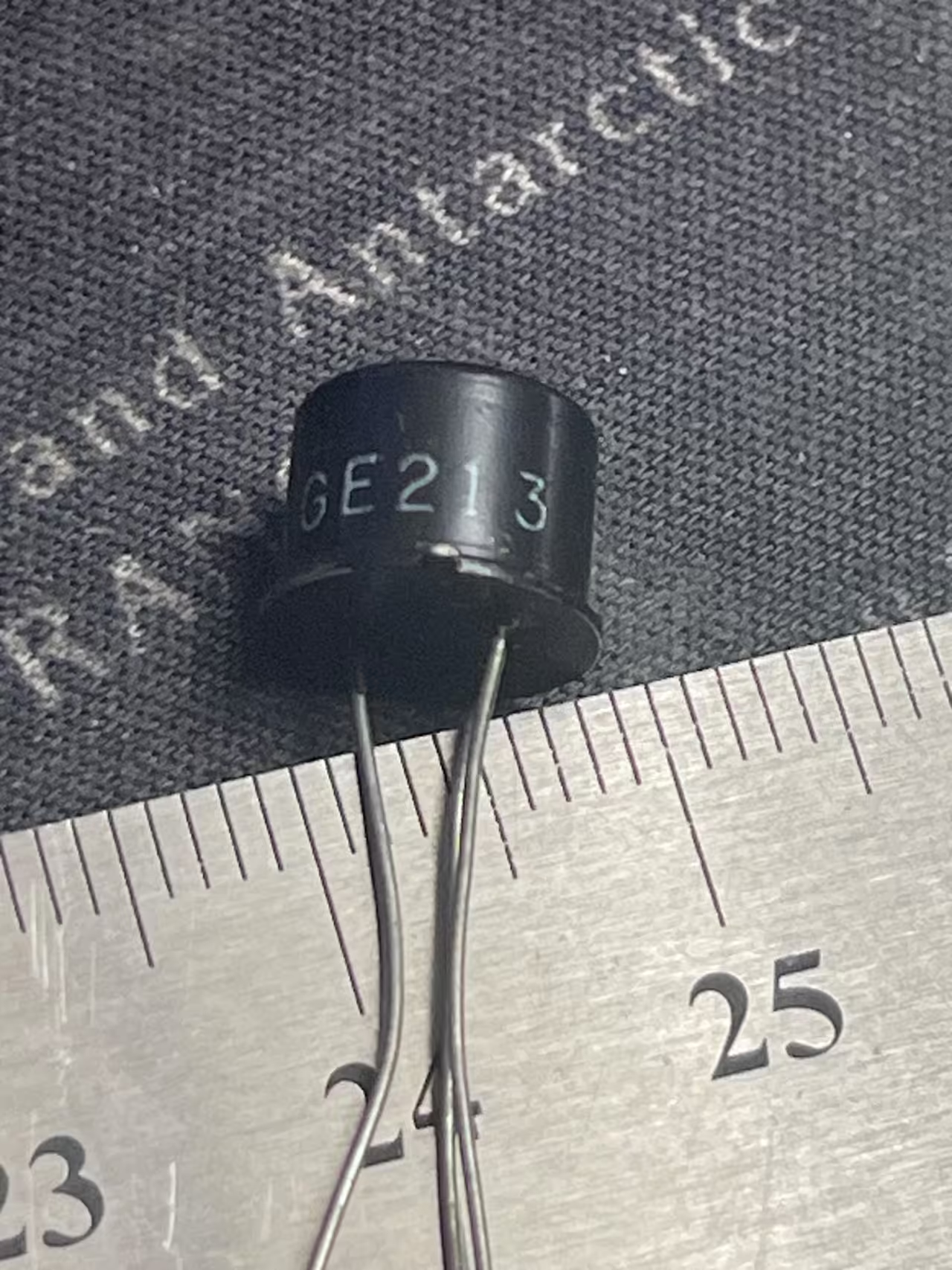
- 2 photos
Never used. The original pack has been opened, or the quantity was split off a full reel or tube. Leads are original and unclipped.
New old stock, open stock on the grading scaleSend the quantity you need. You get a quote back with shipping before anything is charged.
Video
Filmed on the bench. Sound is stripped from product clips.
- 0:07
Specifications
| Specification | Value |
|---|---|
| Identification | |
| Part number | GE 213 |
| Manufacturer | General Electric |
| Condition | New old stock, open stock |
| Date code | Not recorded |
| Package | Small three lead metal can |
| Country of origin | Not recorded |
| Family | GE house numbered series |
| Stock number | DKPJ39F7 |
| Overview | |
| Case marking | GE 213 |
| Manufacturer | General Electric |
| Numbering | GE house number, not a JEDEC type |
| Construction | |
| Package | Small three lead metal can |
| Condition | |
| Leads | Long, original, at full length |
| On the shelf | Two |
| Condition | New old stock, open stock. Never installed, never soldered |
| Testing | Sold untested. Ask and the exact piece going in the envelope is metered first |
About this part
Clearly stamped GE 213 on the metal case, from the same run of General Electric house numbered stock as the GE 217 elsewhere in this drawer. Small three lead can, long original leads, the classic shape of early transistor construction before plastic packages took the volume work away.
What these are good for is period accurate repair. A great deal of General Electric equipment was serviced from manuals that list the GE number and nothing else, and a technician of the day would order the GE 213 without ever needing to know what standard type it corresponded to. That system worked perfectly until the service channel closed, at which point the number became a dead end for anyone without old stock to draw on. This is that old stock.
It is also a decent object in its own right. The early metal can with long tinned leads is what people picture when they picture a transistor from this era, and collectors buy them for exactly that. Two are on the shelf. Both are unused, both have their original leads at full length, and both show the minor oxidation and discolouration you should expect of bare metal that has been in a drawer since the 1960s. Untested, so electrical performance is not guaranteed.
Questions about this part
Why can I not find a datasheet for GE 213?
Because it is a General Electric house number rather than a JEDEC type. GE used these for devices sold through its own service channel and did not publish a public datasheet for every one. The number identifies the part to order for a given GE product, which is what a service manual of the period needed it to do.
Is the marking clear on these?
Yes, on both pieces. GE 213 reads plainly on the case, which is not always true of parts this age and is part of why they are worth listing separately from the faded examples elsewhere in this drawer.
What condition are the leads in?
Original, full length and never cut. Expect minor oxidation and discolouration on the metal, which is what bare tinned lead looks like after sixty years and cleans up with a fibreglass pen and fresh flux.
Are they tested?
No, they are sold as untested new old stock and performance is not guaranteed. If you want a measurement before it ships, ask, and we will meter the exact piece rather than quote a typical figure.