
2N222 NPN Silicon Transistor, TO-18 Metal Can, Not a 2N2222
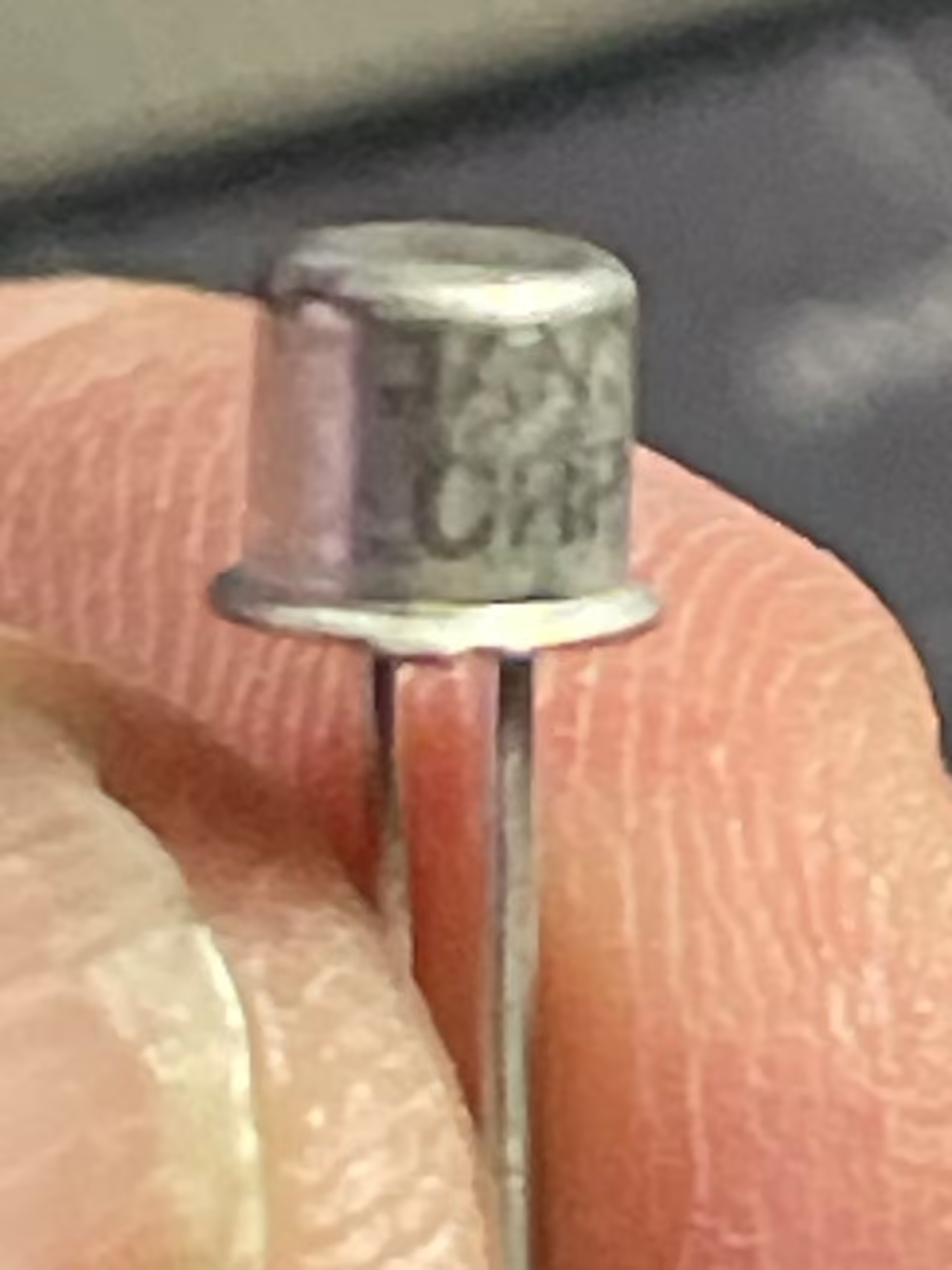
- 3 photos
Never used. The original pack has been opened, or the quantity was split off a full reel or tube. Leads are original and unclipped.
New old stock, open stock on the grading scaleSend the quantity you need. You get a quote back with shipping before anything is charged.
Video
Filmed on the bench. Sound is stripped from product clips.
- 0:11
Specifications
| Specification | Value |
|---|---|
| Identification | |
| Part number | 2N222 |
| Manufacturer | Not recorded |
| Condition | New old stock, open stock |
| Date code | Not recorded |
| Package | TO-18 style three lead hermetic metal can |
| Country of origin | Not recorded |
| Family | 2N222 |
| Stock number | NF4J8B48 |
| Overview | |
| Manufacturer part number | 2N222 |
| Not to be confused with | 2N2222, which is a different and far more common device |
| Manufacturer | Unmarked. See the description |
| Electrical | |
| Polarity and material | NPN silicon |
| Class | Small signal amplifier and switching |
| Construction | |
| Package | TO-18 style three lead hermetic metal can |
| Condition | |
| On the shelf | Six, sold individually |
| Condition | Vintage old stock. Never installed, never soldered |
| Testing | Sold untested. Ask and the exact piece going in the envelope is metered first |
About this part
Read the number carefully, because this is a 2N222 and not a 2N2222. They are different devices, the second one is among the most produced transistors in history and the first one is not, and a search for either will happily return the other. If you arrived here looking for the ubiquitous small signal switching part with four digits, this is not it.
What this is: an older NPN silicon small signal transistor in a three lead hermetic metal can of the TO-18 outline. It belongs to the generation just after silicon became practical, when a metal can was still the normal way to package a small transistor and the plastic TO-92 had not yet taken the volume work away. Equipment of that period specified it for amplification and switching in the ordinary way, and the reason to want one now is almost always that a schematic or a parts list names it.
Six are on the shelf, which is enough to repair something and keep spares rather than hunting for a second one later. The case markings are faded on some pieces, which is normal for the age and is visible in the photographs. Expect ordinary oxidation on the leads. None has been installed, and they are sold individually and untested.
Questions about this part
Is this a 2N2222?
No, and the distinction is the first thing this listing says for a reason. A 2N2222 is a different device and one of the most produced transistors ever made. A search for either number will return the other, so check what your schematic actually calls for before ordering.
What is it for?
Small signal amplification and switching, in the ordinary way, in equipment of the era just after silicon became practical. The realistic reason to want one today is that a schematic or a parts list names it specifically, in which case the original part is less work than justifying a substitute.
How legible are the markings?
Variable. Some of the six read clearly and others have faded, which is normal for cases of this age. The photographs show the condition, and if a legible one matters to you say so before ordering and we will pick the best of them.
Why is no manufacturer listed?
Because none of them carries a legible maker's mark. The type number is there and the maker is not, so nothing is claimed. That is the standing rule here: what is on the part goes in the listing, and what is not stays out of it.