
1N3002 8.2 V 10 W Stud Mount Power Zener Diode with Hardware, NOS
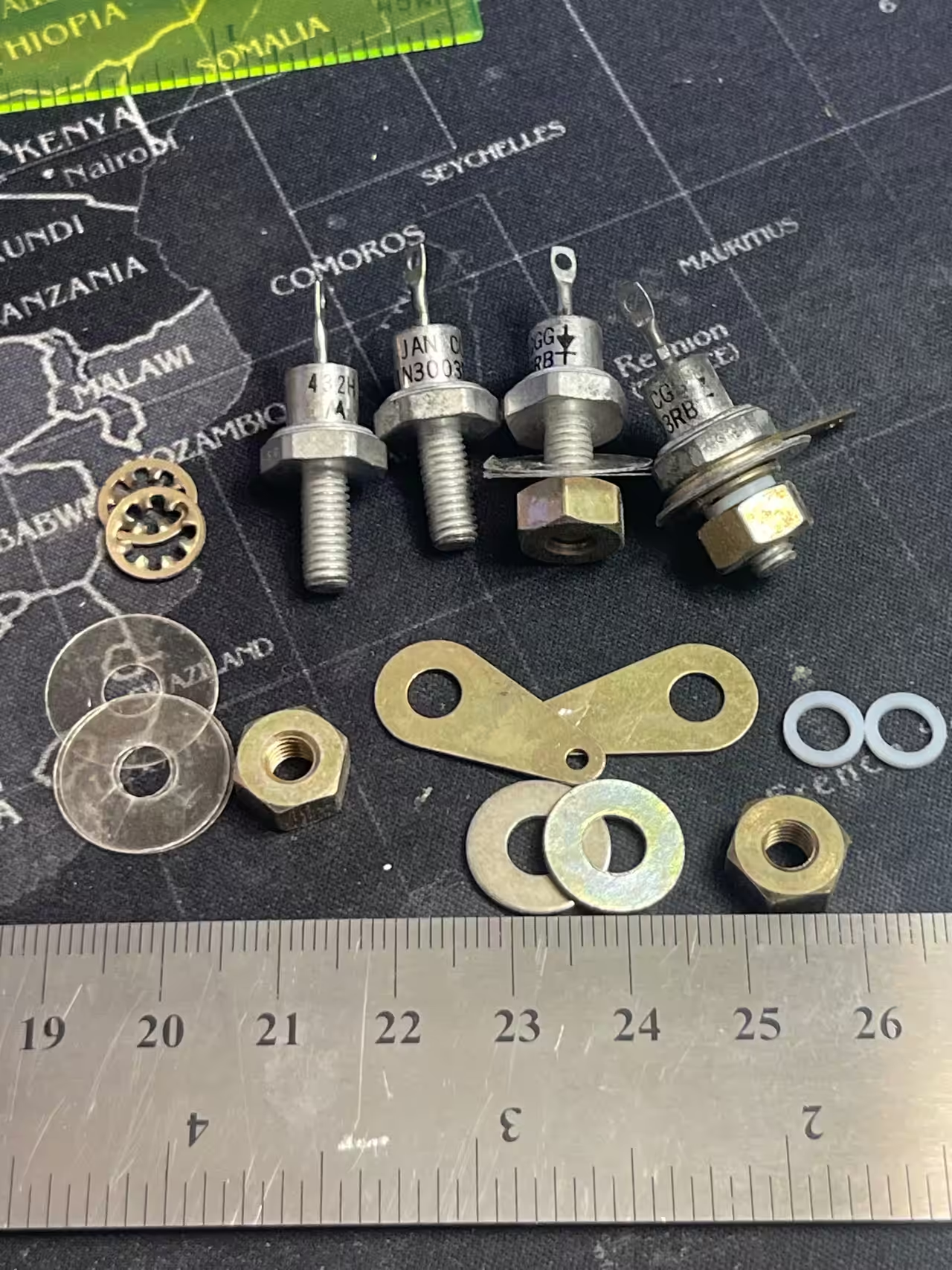
- 4 photos
Never used. The original pack has been opened, or the quantity was split off a full reel or tube. Leads are original and unclipped.
New old stock, open stock on the grading scaleSend the quantity you need. You get a quote back with shipping before anything is charged.
Video
Filmed on the bench. Sound is stripped from product clips.
- 0:14
Specifications
| Specification | Value |
|---|---|
| Identification | |
| Part number | 1N3002 |
| Manufacturer | Not recorded |
| Condition | New old stock, open stock |
| Date code | Not recorded |
| Package | Stud mount metal body, with nuts, washers and terminal lugs |
| Country of origin | Not recorded |
| Family | 1N3000 series power zener |
| Stock number | DCGZH4DD |
| Overview | |
| Manufacturer part number | 1N3002 |
| Device type | Power zener diode |
| Electrical | |
| Zener voltage | 8.2 V |
| Power rating | 10 W |
| Construction | |
| Package | Stud mount metal body |
| Hardware included | Nuts, washers and terminal lugs |
| Condition | |
| Threads | Clean and unmarked, never torqued down |
| Condition | New old stock, open stock. Never installed, never soldered |
About this part
A ten watt zener is a different animal from the half watt glass parts most people picture. This one regulates at 8.2 volts and is built as a stud that bolts through a chassis or a heatsink, because dissipating ten watts in a diode means getting the heat out through metal rather than through air. The original inventory bag identifies it as 8.2 volts at 10 watts, and that is the figure quoted here.
Parts like this did the work that a three terminal regulator does now. Before regulator chips were cheap, a stud zener across a rail with a series resistor was how a supply held a reference or clamped a bus, and it is still how a lot of vintage industrial and military equipment does it. If you are restoring something of that era, the original part is often easier than explaining a modern substitute to whoever inspects the work afterwards.
The mounting hardware came with it and ships with it: nuts, washers and terminal lugs. One is on the shelf. The stud threads are clean and unmarked, which is how you tell a diode that has never been torqued into anything from one that has been out of service equipment.
Questions about this part
Why is a zener this size a stud rather than a glass part?
Because of the ten watts. A diode dissipating that much heat has to conduct it away through metal into a chassis or a heatsink, and a stud is how you get a reliable thermal path plus a mechanical fixing in one. A glass axial part of the same voltage would be rated a fraction of a watt.
Do I need a heatsink?
If you intend to work it anywhere near its rating, yes. The ten watt figure assumes the stud is bolted to something that takes the heat away. Bolted to nothing it will run hot and drift long before it reaches its rated dissipation.
What hardware is included?
The nuts, washers and terminal lugs that came with it in the original inventory. That matters more than it sounds: the lug and the correct washer stack are what make the electrical connection to the stud, and sourcing the right ones separately for an obsolete thread is its own small project.
How do you know it has never been fitted?
The stud threads carry no marks from a nut being torqued down and the body has no witness mark where it would have seated against a chassis. A diode pulled from equipment shows both immediately.